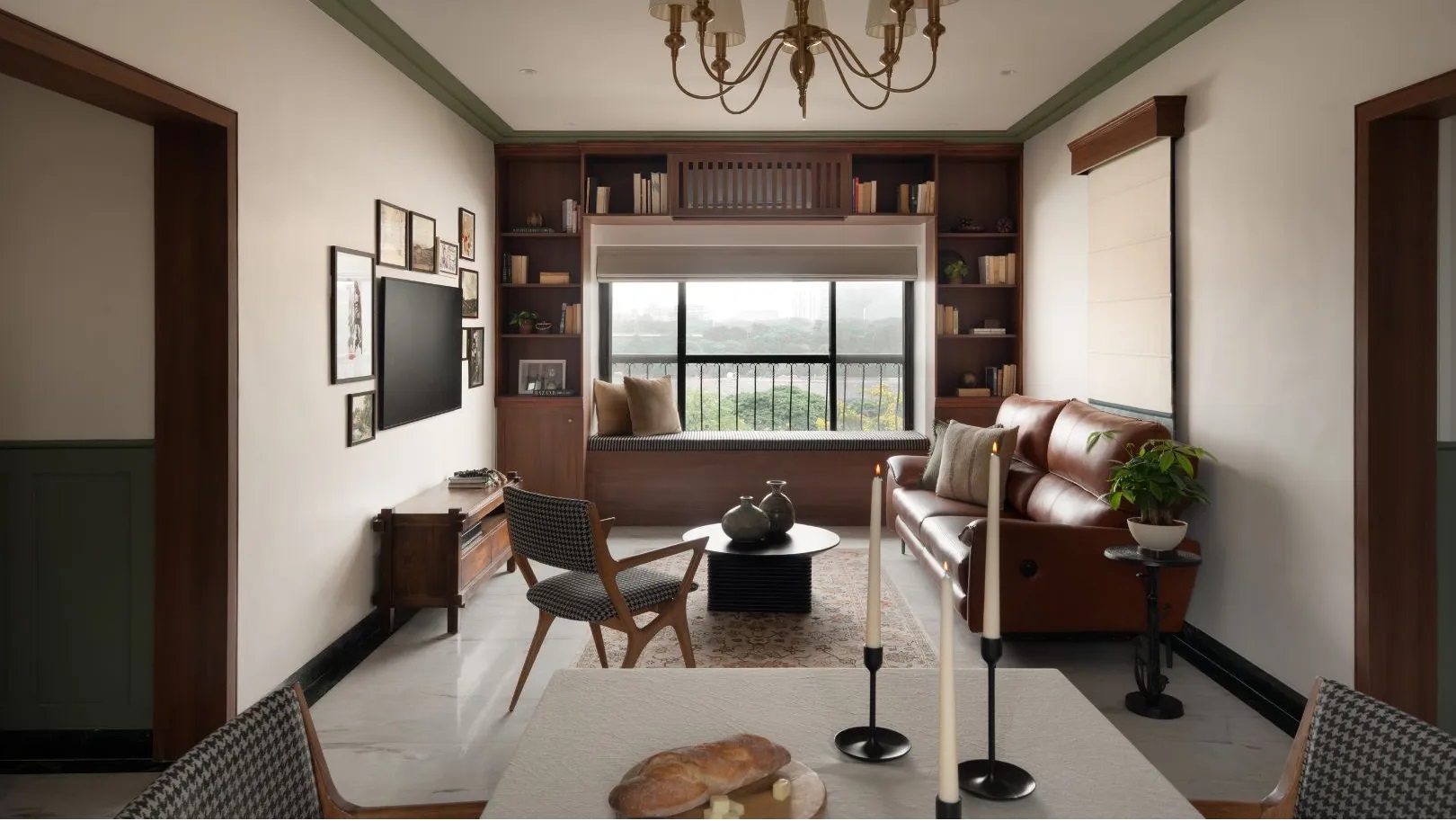
Hot take: a house and land package is one of the easiest ways to buy a brand-new home… and one of the easiest ways to overpay for “nice extras” you didn’t need.
I like them for first-timers. I also don’t trust them blindly. Both can be true.
So what is a house and land package, really?
It’s two linked purchases: you buy a block of land (often in a new estate), and you sign a build contract for a home design that fits that block. Sometimes it’s marketed as one tidy price, but legally and financially it’s often two transactions with two sets of timelines.
Look, the appeal is obvious: fewer moving pieces than buying an old home, renovating it, discovering the wiring is prehistoric, and then arguing with tradies for six months. If you want to look at house and land packages, it helps to understand what’s included in the headline price versus what can end up as extras.
But house and land packages come with their own tripwires. Zoning, setbacks, covenants, site costs… all the stuff nobody puts on the billboard.
The good bits (and yes, they’re genuinely good)
You’re not just buying a structure. You’re buying predictability—at least compared with older homes.
– New-home warranties and modern compliance (energy ratings, safety, standards)
– Design flexibility: floorplans, facades, finishes (within limits)
– Planned communities: parks, schools, transport corridors, sometimes retail
A lot of estates are engineered to be “liveable from day one,” which matters when you’re juggling work, moving, and loan approvals and you don’t have time to project-manage chaos.
One-line reality check:
You’re also buying into a developer’s vision of what your street should look like.
Budgeting: where first-time buyers get bruised
Now, this won’t apply to everyone, but most budget blowouts happen because buyers assume the advertised package price is “all in.” It rarely is.
Costs that sneak in
Some of these are predictable; others depend on your site and your builder.
– Stamp duty (varies by state and how the contracts are structured)
– Conveyancing/legal fees
– Lender fees, valuation fees, LMI (if applicable)
– Site costs: soil classification, retaining walls, piering, drainage
– Driveway, fencing, landscaping, letterbox (yes, even the letterbox)
– Window coverings, upgraded lighting, air con (often “extras”)
In my experience, the site costs + “we just want it to feel nice” upgrades are the silent killers. People plan for the slab and frame, then realise they still need flooring upgrades, cabinetry changes, power points where they actually want them, and a backyard that isn’t a mud pit.
A specific stat that should sober you up
Construction cost pressure has been real. Australia’s building industry saw sharp volatility across 2021–2023; for context, the Australian Bureau of Statistics tracked substantial increases in input costs through that period via its Producer Price Indexes for house construction (ABS PPI data series; see Australian Bureau of Statistics releases on construction input prices). That doesn’t mean your contract will blow out—fixed-price contracts exist—but it explains why builders can be strict on variations and timelines.
Quick comparison table (because choices get fuzzy fast)
| Option |
What feels easier |
What bites later |
Best for |
| Established home |
You can move in sooner |
Hidden defects, renovations, less energy efficient |
Buyers who want location over “new” |
| House & land package |
Clearer path, modern build |
Site costs, covenants, upgrade creep |
First-timers wanting a guided process |
| Knockdown rebuild |
Keep the location |
Council approvals, holding costs, complex build |
People with land already (or buying land for long-term) |
Unexpected truth: “easier” and “cheaper” aren’t the same category.
Land selection: the unsexy part that decides everything
You can change paint. You can’t rotate the sun.
Before you fall for a block, get practical:
1) Zoning and overlays (technical, but non-negotiable)
Zoning tells you what you’re allowed to build. Overlays can add constraints: bushfire, flooding, heritage, environmental protection, easements. A builder can’t “creatively interpret” an easement away.
2) Orientation and slope
North-facing living areas can be a game changer for comfort and bills. A steep slope can be fine, but it tends to invite retaining walls and drainage work (translation: cost).
3) Estate guidelines and covenants
Developers often control façade styles, fencing types, driveway finishes, even roof colours. If you’re picturing a bold, modern exterior and the estate demands “Hamptons-inspired neutrals,” you’ll lose that fight.
Short section, big consequence:
Choose the land like you’re choosing the home. Because you are.
Mini FAQ (mid-article, because you’ll ask now anyway)
Do house and land packages include everything shown in the display home?
Almost never. Display homes are upgrade showcases. Ask for the standard inclusions list and price every upgrade you care about.
Can I use my own builder on the land?
Sometimes. Many estates sell “titled land” where you can choose your builder, but some packages bundle a specific builder, or the developer has preferred builders. Read the land contract conditions.
What does “titled” land mean?
It means the land is registered and ready to settle. Untitled land can delay settlement—and your build start—by months.
Home design features: what I’d prioritise (opinionated, but tested)
People obsess over benchtops. I’d rather you obsess over layout and performance.
Layout that works in real life
Open-plan living is great—until noise and sightlines drive you nuts. Think about:
– Where the laundry is (and whether it’s near the clothesline)
– Storage that isn’t an afterthought (linen, pantry depth, garage storage)
– Bedroom separation (teenagers and shift workers exist)
– The path from garage to kitchen (carrying groceries shouldn’t be a gym session)
Energy efficiency: boring on day one, beautiful on day 900
Double glazing, insulation, draught sealing, sensible shading. These aren’t sexy upgrades, but they pay you back quietly for years. If you’re picking between fancy pendant lights and better insulation, pick insulation (then buy the pendants later).
One-line emphasis:
Comfort is a feature.
Customisation: what you can change, and what you shouldn’t
Here’s the thing: builders love variations because variations are margin. That doesn’t mean you should never upgrade. It means you should upgrade strategically.
High-impact upgrades (usually worth it):
– Higher ceilings in main living (if budget allows)
– Better insulation / glazing
– Electrical plan: extra power points, data points, external outlets
– Kitchen functionality: drawer stacks, pantry design, task lighting
Upgrades I’ve seen people regret:
– Ultra-trendy finishes that date fast
– Fancy tapware that’s hard to service
– “Statement” tiles everywhere (more grout, more cleaning, more regret)
Caveat: if your heart wants the wild tile, go for it—but do it in one bathroom, not the whole house.
Builders and developers: do the homework or pay for it later
Skipping research is the classic first-timer mistake. A glossy brochure doesn’t pour a slab.
What to check (fast, but effective)
– Completed builds you can inspect (not just display homes)
– Independent reviews across multiple platforms (patterns matter)
– Contract type: fixed price, allowances, provisional sums
– Build timeframes and liquidated damages clauses (if any)
– How variations are costed and approved
I’ve seen “great value” packages turn ugly because the base price was low and the provisional sums were high. You want clarity, not optimism.
Resale value: yes, even if you swear you’ll stay forever
People always say they’re buying for life. Then jobs change. Families grow. Neighbours get weird.
Resale drivers for house and land homes are fairly consistent:
– Usable layout (not gimmicks)
– Practical block size and orientation
– Proximity to schools, transport, shopping
– A façade that doesn’t polarise buyers
– Estate maturity: trees, completed amenities, less construction disruption
A home that’s too personalised can narrow your future buyer pool. Add character, sure. Just don’t design yourself into a corner.
After you secure the package: what happens next (and what can stall)
Some steps are quick. Some are painfully slow.
1) Finance: formal approval, not just pre-approval.
2) Contracts: land contract + build contract. Get legal advice if you don’t understand a clause (most people don’t).
3) Selections: colours, fixtures, electrical, upgrades. This is where budgets drift.
4) Approvals: council/developer approvals, building permit, engineering.
5) Construction timeline: slab → frame → lock-up → fix → completion.
Keep your communication in writing. Not because you’re paranoid—because memories are unreliable and staff change (it happens).
A final note, from someone who’s watched a lot of builds
House and land packages can be a brilliant first property move. They can also become an expensive lesson in assumptions. If you treat the land like a technical asset, treat the build contract like a legal document (because it is), and treat upgrades like a business case, you’ll do well.
And if the salesperson says, “Don’t worry, it’ll be fine,” worry a little. Then verify.