
Understanding and applying limit switch symbols correctly is a crucial skill in modern electrical and automation design. These symbols represent essential components that control motion, ensure safety, and enhance system responsiveness. When engineers and technicians develop strong awareness of limit switch symbols, they create more efficient, accurate, and reliable control systems.
The Importance of Limit Switch Symbols in Design
Limit switch symbols serve as a universal language in electrical schematics. They allow professionals to interpret circuit diagrams quickly and accurately, minimizing confusion and improving workflow.
Key advantages include:
- Clear communication across design and maintenance teams
- Simplified troubleshooting and diagnostics
- Consistent documentation practices
- Improved interpretation of complex control systems
By recognizing these symbols instantly, designers can make better decisions during planning and implementation stages.
Enhancing Decision-Making in Control Systems
Awareness of limit switch symbols directly impacts the quality of design decisions. When engineers fully understand symbol meanings and variations, they can strategically place components to optimize performance.
This awareness helps in:
- Selecting the right switch type for specific applications
- Determining optimal placement within a circuit
- Preventing design errors that could lead to system inefficiencies
- Ensuring smooth interaction between mechanical and electrical elements
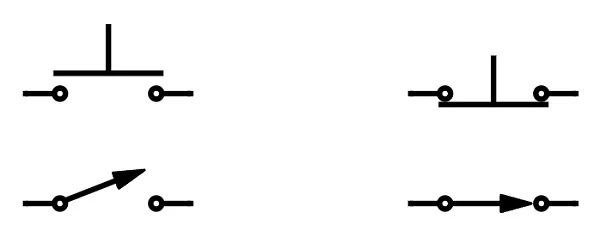
As a result, control systems become more responsive, precise, and dependable. The open switch symbol represents a disconnected circuit clearly.
Supporting Efficient System Design
Limit switch symbols play a significant role in streamlining the overall design process. With proper knowledge, engineers can quickly visualize how components interact within a system.
Benefits of this efficiency include:
- Faster schematic development
- Reduced need for revisions and corrections
- Better alignment with project timelines
- Enhanced collaboration among multidisciplinary teams
This structured approach leads to designs that are both practical and scalable.
Promoting Safety and Reliability
Safety is a top priority in any control system, and limit switch symbols contribute significantly to achieving it. Correct usage ensures that safety mechanisms are properly integrated into the design.
Positive outcomes include:
- Accurate representation of safety interlocks
- Prevention of mechanical overtravel and damage
- Reliable system shutdown in critical situations
- Increased confidence in system operation
With clear symbol understanding, designers can build systems that operate safely under all conditions.
Improving Long-Term Maintenance and Upgrades
Well-documented schematics using correct limit switch symbols make future maintenance and upgrades much easier. Technicians can quickly identify components and understand system behavior without unnecessary delays.
This leads to:
- Reduced downtime during maintenance
- Easier fault identification
- Seamless system modifications and expansions
- Lower operational costs over time
A well-designed system today becomes a strong foundation for tomorrow’s improvements.
Conclusion
Limit switch symbol awareness is more than just a technical skill it is a key factor in making informed and effective control system design decisions. By mastering these symbols, professionals enhance communication, improve safety, and streamline system performance. Ultimately, this knowledge empowers engineers and technicians to create robust, efficient, and future-ready automation solutions.