
Industrial valves manage the movement of liquids, gases, and air throughout equipment and production systems. Their consistent operation supports accurate flow, dependable processes, and productive working conditions. Recognizing early changes helps maintenance teams respond promptly, protect connected components, and maintain smooth operation. Understanding common symptoms also encourages preventive care and long-term reliability.
Recognizing Changes in Valve Operation
A valve often provides noticeable signs when its operation begins to change. Observing these signals helps technicians identify areas that need attention before they affect the wider system.
Common operational signs include:
- Delayed opening or closing during normal cycles.
- Reduced or uneven flow through connected lines.
- A valve remaining open or closed longer than expected.
- Repeated clicking, buzzing, or unusual vibration.
- Visible moisture around joints and seals.
Understanding Unusual Sounds and Movement
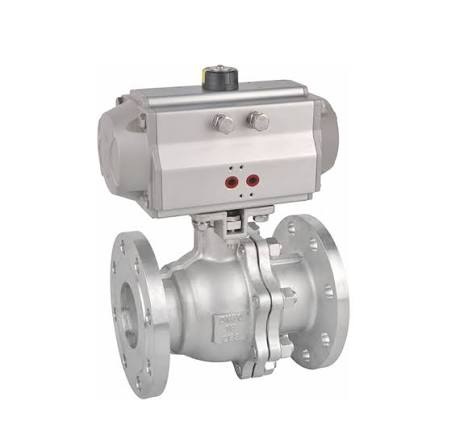
Sound and movement offer useful information about a valve’s condition. Humming, repeated chatter, or slower response may indicate changes in electrical supply, internal movement, pressure, or component cleanliness. Comparing current operation with normal performance helps teams recognize meaningful differences.
Careful observation supports:
- Early identification of inconsistent actuation.
- Recognition of vibration affecting nearby fittings.
- Detection of changes in response time.
- Clearer communication between operators and maintenance staff.
Checking Leakage and Flow Consistency
Leakage and irregular flow deserve timely attention because they can influence process accuracy and equipment efficiency. External moisture may point toward a connection or sealing concern, while internal leakage allows fluid to pass when the valve should be closed. Monitoring flow helps teams understand whether the valve responds as intended.
Useful inspection areas include:
- Valve body, joints, and connection points.
- Seals, diaphragms, and accessible components.
- Inlet and outlet flow conditions.
- Pressure readings compared with operating requirements.
- Surrounding surfaces for residue or moisture.
Exploring Electrical and Mechanical Indicators
Solenoid-operated valves depend on coordinated electrical and mechanical action. A suitable supply energizes the coil, while internal components move to regulate flow. If the valve responds inconsistently, trained personnel can inspect wiring, connectors, coil condition, and mechanical movement according to approved procedures.
The resource https://www.vincervalve.com/solenoid-valve-failure-symptoms/ explains common warning signs and possible causes, helping readers understand valve behavior. Safe isolation and pressure release should always be completed before internal inspection or servicing.
Building a Consistent Maintenance Routine
A planned maintenance routine helps equipment remain dependable through changing operating demands. Recording observations, following service recommendations, and addressing small concerns promptly can improve maintenance decisions and support component life.
Helpful practices include:
- Schedule visual inspections at suitable intervals.
- Keep valve surroundings clean and accessible.
- Check electrical connections with qualified personnel.
- Monitor operating pressure and flow consistency.
- Record unusual sounds, leaks, and response changes.
Supporting Reliable Equipment Performance
Understanding valve symptoms gives maintenance teams a foundation for protecting equipment and improving process stability. When observations are combined with careful diagnosis, suitable servicing, and routine monitoring, valves can continue supporting accurate flow control. A proactive approach strengthens operational confidence, encourages efficient resource use, and helps maintain productive performance over time.